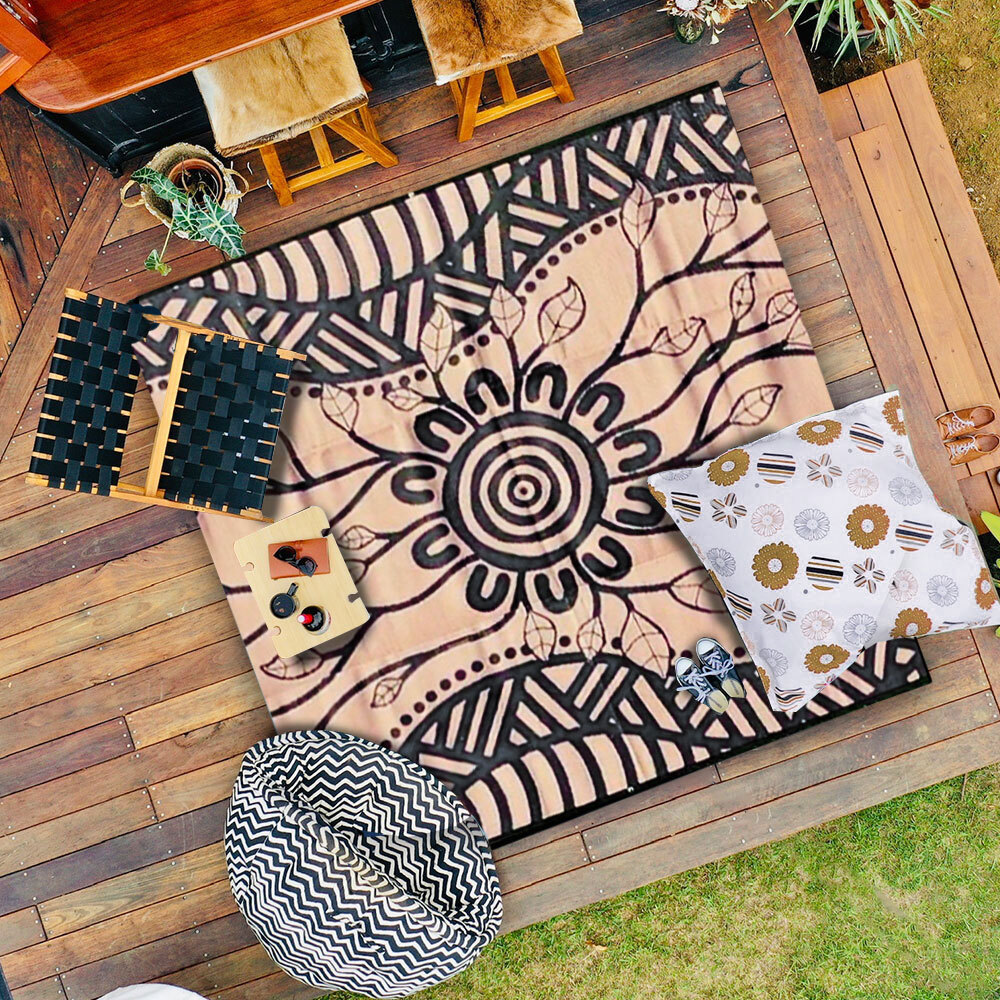
Embrace the fusion of sustainability and practicality with our recycled plastic mats, designed for both indoor and outdoor versatility.
Engineered from UV-protected, recycled Polypropylene, these mats are not only an eco-friendly choice but also boast durability and safety features such as mould resistance, non-toxicity, and hypoallergenic properties. To ensure your mat remains in pristine condition, extending its life and preserving its aesthetics, we've compiled a comprehensive guide.
This guide includes straightforward instructions on care, cleaning, and maintenance practices, from everyday upkeep to addressing wear and tear. Follow these simple steps to enjoy the sustainable comfort and style of your mat for years to come.

Care Instructions
Indoor and Outdoor Use: Suitable for both, but avoid continuous exposure to water or direct sunlight to prevent deterioration.
Transport and Storage: Mat arrives folded; fold marks will naturally disappear over time. Warm temperatures can speed up this process.
◦ To hasten fold mark removal, hang over a washing line for a few hours across several days.
◦ Avoid refolding the mat daily to prevent permanent creases.
Heavy Items: Do not place heavy objects on the mat, especially when stored, to avoid permanent dents.
Furniture Use: Avoid the use of furniture with sharp or narrow feet, especially on soft or uneven ground. Do not drag furniture across the mat.
Pet Caution: Be mindful of pets who may chew on the mat.
Storage Tip: Fold along original fold lines for best storage practice. See "How To Fold" Blog Post for detailed instructions.
Non-Skid Protection: On smooth surfaces, use a non-skid floor protector under the mat.

Cleaning Instructions
Regular Cleaning: Shake off or vacuum light dust and dirt.
Deep Cleaning: For tougher stains, use a soft broom and warm water to gently scrub the mat.
◦ Rinse thoroughly with a hose after scrubbing.
◦ Avoid abrasive chemicals and high-pressure water cleaners to prevent damage.
Maintenance Tips
Seam Repair: If seams begin to separate, they can be restitched using fishing line and a large needle.